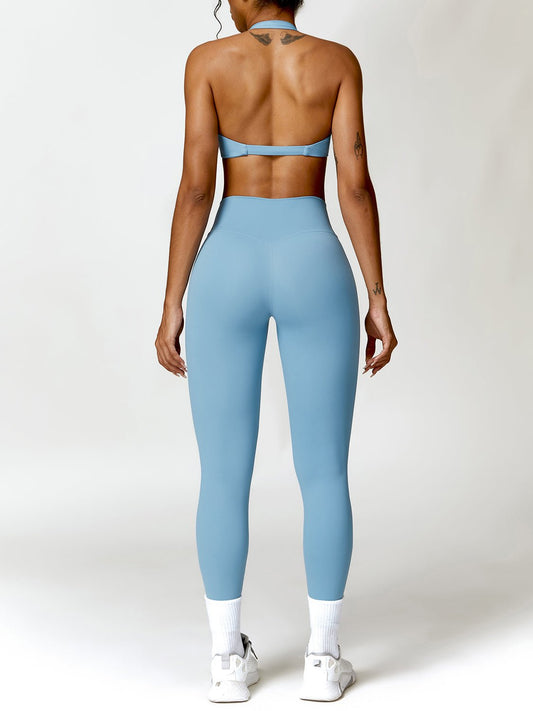
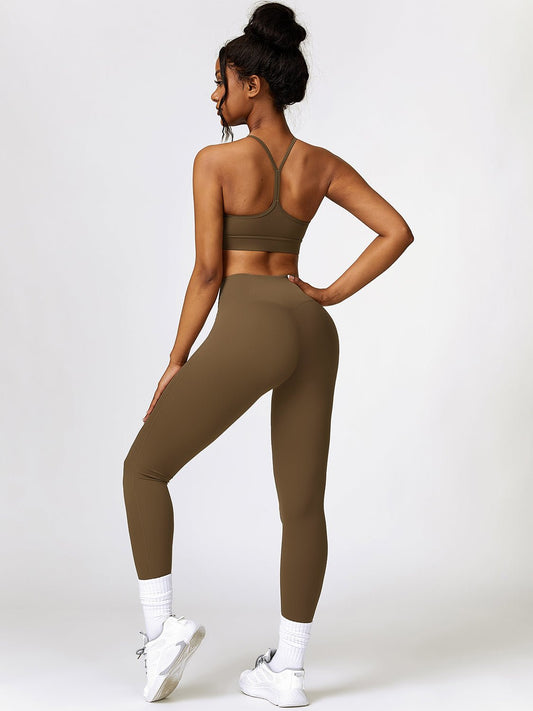
Top Trends in Sports Clothes for Every Athlete
Emerging Fabrics and Materials in Sports Clothes
Innovative Fabric Technologies for Enhanced Performance
The world of sports clothes is undergoing a radical transformation driven by cutting-edge fabric technologies. Modern athletes require not just functionality but also enhanced performance from their attire. One standout innovation is moisture-wicking fabrics. These fabrics are designed to pull sweat away from the skin, ensuring athletes remain dry and comfortable during intense activities. Materials such as polyester and nylon are engineered with this technology, offering superior breathability and quick-drying capabilities.
Another groundbreaking advancement in sports clothes is compression fabrics. These materials help to increase blood flow and reduce muscle fatigue, leading to improved performance and faster recovery. Athletes across various disciplines are embracing compression wear, from leggings to sleeves, to harness the benefits of this technology.
Temperature-regulating fabrics are also making waves in the sportswear industry. Materials that adapt to changing body temperatures can keep athletes cool in the heat and warm in the cold. Innovative textiles like Outlast® or Coolmax® have phase-change materials that absorb, store, and release heat for optimal thermal comfort. Such advancements are pivotal for endurance athletes who face varying climatic conditions.
Moreover, antimicrobial fabrics have become a staple in modern sports clothes. These materials inhibit the growth of bacteria, reducing odor and maintaining hygiene. Silver nanoparticles and other antimicrobial agents are integrated into fibers to provide lasting protection. This technology is particularly beneficial for sports that involve prolonged wear of gear, such as marathon running or cycling.
Sustainable Materials Leading the Next Wave in Sports Clothes
As the demand for eco-friendly products grows, sustainable materials are becoming increasingly prominent in the sports clothes sector. Brands are now prioritizing the use of recycled and biodegradable materials, aligning with the global movement towards sustainability. Recycled polyester, made from plastic bottles, is one such material setting new standards. It offers the same durability and performance as virgin polyester but with a significantly reduced environmental impact.
Another sustainable innovation is the use of organic cotton in sports clothes. Unlike conventional cotton, organic cotton is grown without harmful pesticides and synthetic fertilizers, making it a healthier option for both the planet and the athlete. Additionally, it boasts natural breathability and softness, ensuring comfort during workouts.
Bamboo fabric is also gaining traction in the eco-friendly sportswear market. Known for its natural antibacterial properties and exceptional softness, bamboo is a renewable resource that can be grown sustainably. Its moisture-wicking abilities and UV protection make it an excellent choice for a variety of sports clothes.
Emerging sustainable materials like Econyl®, a regenerated nylon from discarded fishing nets and textiles, represent the future of sports clothes. Econyl® fibers maintain the strength and elasticity necessary for high-performance sportswear while contributing to the reduction of ocean plastic pollution. This closed-loop recycling process exemplifies how the sportswear industry can innovate responsibly.
In conclusion, the advancements in fabric technologies and the shift towards sustainable materials are revolutionizing sports clothes. Athletes today have access to gear that not only enhances their performance but also supports their commitment to environmental stewardship. These trends illustrate a vibrant future for sports clothes where innovation and sustainability go hand in hand.
Fashion-Forward Designs for Every Athlete
The Rise of Customizable and Personalized Sports Clothes
In today’s ever-evolving world of sports clothes, personalization is not just a trend but a necessity. Customizable sports clothes have revolutionized how athletes approach their gear, blending both style and functionality. Whether you’re a weekend warrior or a professional athlete, having the ability to tailor your sportswear to your specific needs can enhance performance and boost confidence.
From selecting the materials to choosing colors and adding personal logos, customization allows athletes to express their individuality. Brands have taken note, offering online platforms where customers can design their own outfits. This trend goes beyond aesthetics; it’s about creating sports clothes that fit perfectly and meet unique performance requirements.
One notable example is Nike’s “Nike By You,” allowing users to create bespoke sports clothes. Another frontrunner, Under Armour’s “Icon” platform, provides a similar experience, letting athletes customize their gear to their requirements. The modern athlete demands more than just off-the-rack solutions, and customizable sports clothes are leading the charge.
Integration of High Fashion and Ergonomics in Sports Apparel
The intersection of high fashion and sports clothes has birthed a new era of apparel that is both stylish and functional. Athletes are no longer willing to compromise on aesthetics for the sake of performance; they want it all. As a result, top designers and renowned athletic brands are collaborating to produce sports clothes that are as fashionable as they are ergonomic.
Take, for instance, the collaboration between Stella McCartney and Adidas. Their collections offer impeccably designed sports clothes that do not sacrifice performance. These pieces merge cutting-edge fashion with advanced athletic technologies, ensuring athletes maintain peak performance while looking their best.
The surge in athleisure wear highlights this trend dramatically. Once confined to the gym, athleisure has seamlessly integrated into everyday wardrobes, as athletes and non-athletes alike embrace sporty chic fashion. Brands like Lululemon and Athleta have capitalized on this shift, offering clothes that transition effortlessly from workout sessions to casual outings.
Furthermore, ergonomic considerations in sports clothes design have become paramount. Lightweight materials, moisture-wicking fabrics, and strategically placed ventilation zones are now standard features. Functional designs that enhance mobility and reduce drag are at the forefront, ensuring athletes can focus solely on their performance.
In conclusion, the fashion-forward design of sports clothes is a dynamic and ever-expanding field. Customization offers uniqueness while high fashion collaborations ensure athletes don’t have to sacrifice style for performance. This trend is more than skin-deep; it reflects the evolving demands of today’s athletes who seek to combine functionality and style in every aspect of their gear.
In summary, the landscape of sports clothes is evolving rapidly, driven by groundbreaking innovations and the demand for both performance and sustainability. Emerging fabrics and materials, such as moisture-wicking and temperature-regulating technologies, are enhancing athletes' performance and comfort significantly. Simultaneously, the shift towards eco-friendly materials is setting a new standard in the industry, catering to the environmentally conscious consumer. Fashion-forward designs are not far behind, offering athletes a blend of style and function. Customizable and personalized sports clothes have risen in popularity, allowing individuals to express their unique identity while benefiting from tailor-made fits. Additionally, the seamless integration of high fashion and ergonomics ensures that sports apparel is no longer merely practical but also chic and trendsetting. Ultimately, the trends in sports clothes indicate a future where innovation, sustainability, and style converge to cater to every athlete's needs, making performance and aesthetics harmonious companions on and off the field.