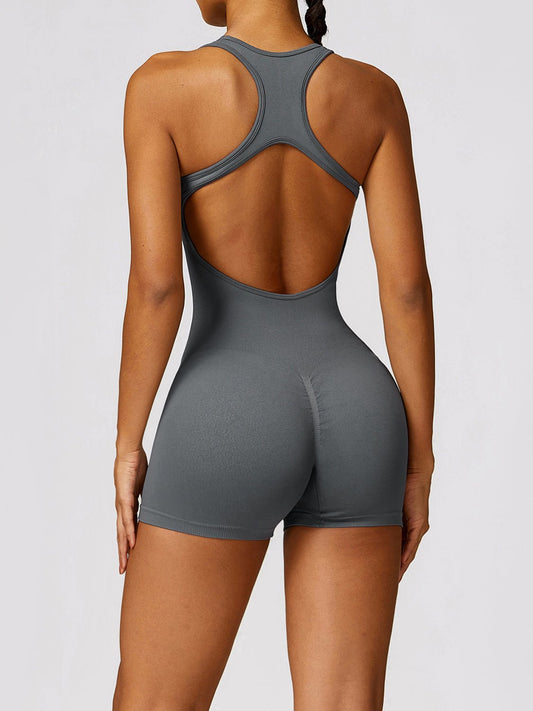
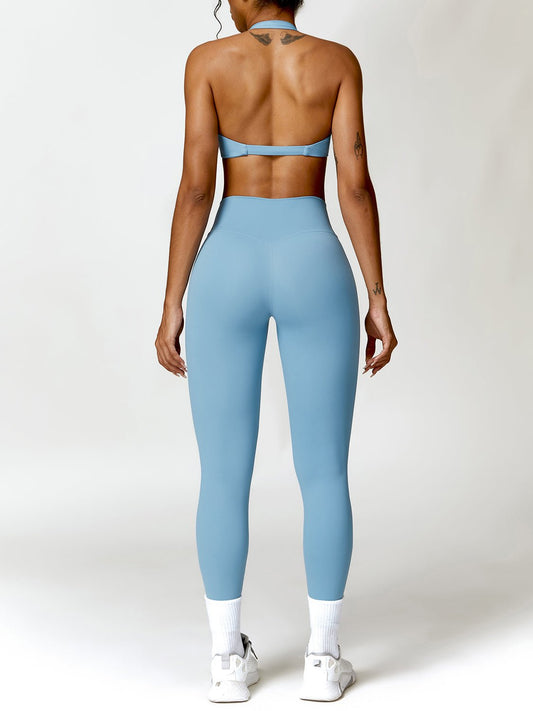
Top Trends in Athletic Apparel for 2023
Innovative Fabric Technologies Revolutionizing Athletic Apparel in 2023
In 2023, the athletic apparel industry is experiencing a seismic shift, primarily driven by groundbreaking fabric technologies that promise enhanced performance and unprecedented comfort. Key advancements in this realm include moisture-wicking, temperature-regulating fabrics, and an increasing focus on sustainable materials. This section delves into these cutting-edge developments and their substantial benefits for athletes and fitness enthusiasts alike.
Overview of Cutting-Edge Fabric Technologies
Moisture-Wicking Fabrics
Moisture-wicking technologies have become the gold standard in athletic apparel, ensuring that athletes remain dry and comfortable regardless of intensity. These fabrics are engineered to draw sweat away from the body, allowing for rapid evaporation. Brands like Under Armour and Nike have championed this movement, incorporating proprietary moisture-wicking fabrics in their latest collections. The days of soaked, uncomfortable gym wear are long gone, thanks to this innovation.
Temperature-Regulating Materials
Temperature control is another frontier where athletic apparel is making strides. New materials designed to adapt to the body’s thermal needs are becoming commonplace. Fabrics such as Outlast, initially developed for NASA, are now being integrated into sportswear. This technology absorbs, stores, and releases heat, providing optimal temperature control throughout workouts. Whether you’re hitting the trails in winter or engaging in a high-intensity summer workout, these garments ensure you stay comfortably cool or warm, as needed.
Sustainable Materials
Eco-consciousness is reshaping the textile industry, including athletic apparel. Innovations in sustainable materials, such as recycled polyester, organic cotton, and bamboo fibers, are gaining significant traction. Companies like Patagonia and Adidas are at the forefront of this movement, integrating these eco-friendly materials without compromising performance. For instance, Adidas' partnership with Parley for the Oceans transforms marine plastic waste into high-performance sportswear, showcasing a commitment to sustainability while enhancing athletic functionality.
Key Benefits of These Innovations
The technological advancements in fabric science offer a plethora of benefits that contribute to improved athletic performance and comfort.
Enhanced Athletic Performance
Staying dry and maintaining optimal body temperature is crucial for peak performance. Moisture-wicking fabrics eliminate the discomfort and chafing associated with sweat-soaked clothing, allowing athletes to focus solely on their performance. Meanwhile, temperature-regulating materials ensure the body’s thermal balance, minimizing the risk of overheating or hypothermia. These fabrics effectively reduce physical impediments, enabling athletes to push their limits.
Improved Comfort
Comfort is a non-negotiable factor in athletic apparel. The thumb prints of modern fabric technology are evident in the unparalleled comfort they provide. Moisture-wicking fabrics prevent the stickiness and irritation caused by perspiration, while temperature-regulating materials adjust to the body’s needs, ensuring constant comfort. Furthermore, the use of sustainable fabrics brings a sense of mental satisfaction, knowing that one’s clothing choices contribute positively to the environment.
In conclusion, as 2023 unfolds, the athletic apparel industry continues to embrace innovative fabric technologies. From moisture-wicking and temperature-regulating fabrics to sustainable materials, these advancements play a pivotal role in revolutionizing athletic wear, enhancing both performance and comfort for athletes and fitness aficionados.
Sustainable and Eco-Friendly Movements in Athletic Apparel
Analysis of the Rise in Popularity of Sustainable Athletic Apparel Brands
The athletic apparel industry is not just playing catch-up with the sustainable trend; it’s sprinting ahead. A growing number of brands are embracing eco-friendly principles, driven by an increasingly environmentally-conscious consumer base. Patagonia, for instance, has long been a forerunner, but newer brands like Girlfriend Collective and Allbirds are making serious waves with their commitment to sustainability.
This green momentum isn't just a fad; it's a shift reflecting the broader consumer demand for accountability and transparency. Today's athletes want to know that their gear is not contributing to environmental degradation. This has created a ripe market for athletic apparel brands to innovate and position themselves as leaders in sustainability, attracting not just ethical consumers but also those who appreciate the advanced materials and performance these products offer.
Detailed Look at Eco-Friendly Materials and Production Methods Gaining Traction in 2023
Eco-friendly materials are no longer limited to recycled polyester. 2023 has seen significant strides in the use of cutting-edge sustainable textiles in athletic apparel. Repreve, a fiber made from recycled plastic bottles, is one such example that meets performance expectations while reducing environmental impact. Beyond recycled materials, natural fibers like organic cotton and bamboo are also gaining popularity for their minimal environmental footprint and impressive durability.
Moreover, bio-based fabrics, derived from renewable biological sources, are presenting themselves as worthy competitors to traditional synthetic materials. Tencel, derived from sustainably harvested wood pulp, stands out for its breathability and moisture management, making it ideal for athletic wear.
Production methods are seeing an eco-renaissance, too. Brands are adopting waterless dyeing techniques, which significantly cut down the colossal water waste associated with textile manufacturing. In addition, innovations like 3D knitting are reducing textile waste by precisely manufacturing apparel to specification, eliminating the excess material that typically ends up in landfills.
Furthermore, closed-loop systems are being implemented to ensure that what goes into making athletic apparel comes full circle. These systems focus on recycling and repurposing old garments into new ones, substantially diminishing the industry's reliance on virgin resources. This movement towards a circular economy aligns with responsible manufacturing practices and taps into the ethos of reduce, reuse, recycle that is resonating more strongly than ever.
Transparency in the supply chain is another pivotal aspect, with blockchain technology being employed to track and verify the origins and processing of materials. This ensures that every step, from harvesting raw materials to finished athletic apparel, adheres to stringent environmental standards. Brands that adhere to these practices are not only fostering trust with their consumers but also setting a benchmark for the rest of the industry.
}In conclusion, the shift towards sustainable and eco-friendly athletic apparel is shaping up to be more than just a trend—it's an enduring evolution. Consumers' rising awareness and demand for greener options are pushing brands to innovate in materials and production methods. This level of dedication to the environment not only benefits the planet but also paves the way for superior athletic apparel—gear that performs well, looks good, and helps save the world. Now that's something every athlete can get behind.
In conclusion, the athletic apparel landscape in 2023 is characterized by remarkable progress driven by innovative fabric technologies and a strong commitment to sustainability. Cutting-edge advancements such as moisture-wicking and temperature-regulating materials are setting new benchmarks for performance and comfort, allowing athletes to push their limits with optimal support. Concurrently, the surge in eco-friendly practices across the industry underscores a burgeoning consumer demand for sustainability. Brands are increasingly embracing sustainable materials and production methods, reaffirming their dedication to environmental responsibility. Together, these trends not only reshape the functional and ethical dimensions of athletic apparel but also pave the way for a future where performance and sustainability coexist harmoniously. For consumers and athletes alike, 2023 heralds a new era of smarter, greener choices in athletic gear.