Top Trends in Activewear for 2024
1. Emerging Fabric Technologies in Activewear for 2024
Sustainable and Eco-friendly Materials
The activewear industry in 2024 is embracing a transformative shift towards sustainability. More brands are prioritizing eco-friendly materials, addressing the growing consumer demand for products that are not only functional but also environmentally responsible. Activewear brands are now incorporating recycled polyester, organic cotton, and innovative plant-based fabrics into their collections. These materials offer comparable performance benefits to traditional fabrics, ensuring athletes and fitness enthusiasts do not have to compromise on quality. Polyester, traditionally derived from petroleum, is being replaced with recycled variants sourced from post-consumer plastic bottles and textile waste. This sustainable approach reduces landfill waste and curbs the need for virgin petroleum. Organic cotton, grown without harmful pesticides and fertilizers, is quickly becoming a staple in eco-conscious activewear lines. Its natural properties provide breathability and comfort, making it ideal for both high-intensity workouts and casual wear. Furthermore, groundbreaking plant-based fabrics such as Tencel and bamboo are gaining traction. Tencel, derived from sustainably sourced wood pulp, offers exceptional moisture-wicking properties while maintaining a soft and smooth texture. Bamboo fibers are not only biodegradable but also possess anti-microbial characteristics, reducing odor even during intense physical activities. This material's durability and low environmental impact make it a popular choice among green-conscious consumers.Advanced Moisture-Wicking and Breathable Fabrics
The evolution of moisture-wicking and breathable fabrics marks another significant trend in the activewear sector for 2024. These advanced materials are designed to enhance athletic performance by efficiently managing sweat and maintaining optimal body temperature. The latest moisture-wicking fabrics capitalize on cutting-edge technology to swiftly transport sweat away from the skin to the fabric's surface, where it evaporates quickly. This process not only keeps the wearer dry but also prevents chafing and discomfort. Activewear brands are incorporating nanotechnology and smart textiles to further refine these capabilities, creating garments that adapt to the body's needs in real-time. Breathability remains a critical feature for activewear, and 2024 sees the introduction of fabrics that offer superior ventilation. These materials utilize advanced weaving techniques, such as micro-porous structures, to maximize airflow without sacrificing durability. One notable innovation is the use of mesh panels strategically positioned in high-sweat areas like underarms and back. This design seamlessly blends functionality with aesthetic appeal, ensuring optimal performance and style. Moreover, hybrid fabrics combining synthetic and natural fibers are becoming prevalent. These blends strike a balance between durability, moisture management, and comfort. For instance, a polyester-wool blend can provide the quick-drying benefits of synthetic fibers and the heat-regulating properties of natural wool. Such innovations cater to a wide range of physical activities, from yoga and running to cross-training and hiking. With these advancements, activewear is evolving to meet the increasingly specific and high-performance needs of today's athletes and fitness enthusiasts. As the industry continues to innovate, the fusion of sustainability and technology in fabric design will undoubtedly shape the future of activewear in 2024 and beyond.Design Innovations Shaping Activewear Fashion in 2024
Versatile and Functional Design Elements
The heartbeat of 2024's activewear trends lies in versatile and functional design elements. Today's consumers demand functionality without sacrificing style. Activewear designers have responded with a keen focus on multi-purpose garments that transition seamlessly from gym sessions to casual outings.
Convertible designs are a standout. Think jackets that transform into backpacks or pants that morph into shorts with a flick of a zipper. Such pieces embody convenience, making it easier for wearers to adapt to varying weather conditions and activity levels. Exercise enthusiasts can appreciate the ingenuity of these designs when they can carry less and do more.
Pockets are no longer an afterthought; they are a necessity. Strategically placed pockets, large enough to securely store smartphones, keys, or even a small water bottle, are now integral to the design. From zippered compartments to hidden stash spots, the thoughtful inclusion of these storage solutions embodies practical utility.
Influence of Athleisure on Everyday Wear
The fusion of athletic and leisurewear, known as athleisure, continues to blur the lines between workout attire and street fashion. This trend shows no signs of slowing down in 2024. The ethos behind athleisure is comfort meets style, which resonates deeply with today's fashion-forward yet pragmatic consumers.
Effortless blending of technical performance fabrics with everyday silhouettes has become the hallmark of modern activewear. Leggings with polished finishes, joggers that resemble tailored pants, and hoodies crafted from luxurious materials are taking over wardrobes. The goal is simple: create pieces that look as good in a boardroom as they do in a gym.
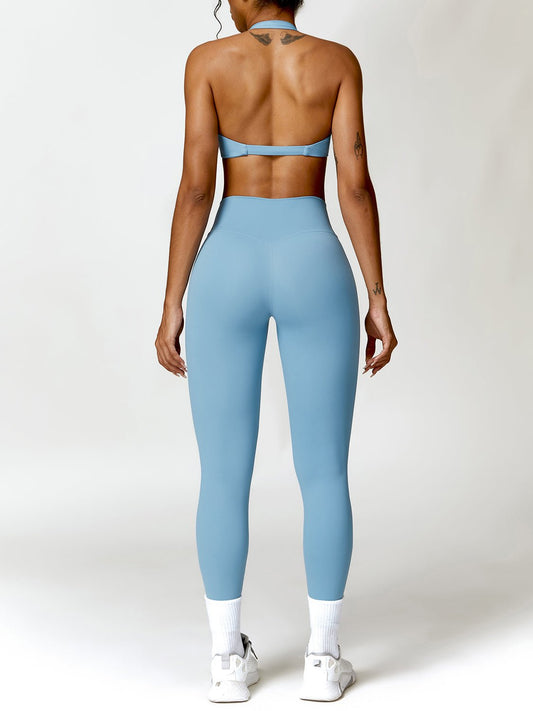
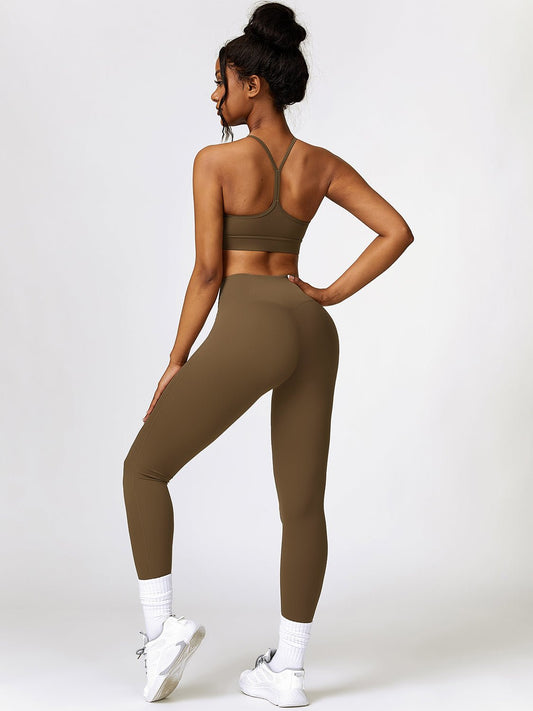
Color palettes and patterns have also evolved, marrying refinement with vibrancy. Earthy tones, subdued pastels, and minimalistic designs dominate, providing a sophisticated yet approachable aesthetic. Athleisure isn't just about dressing down; it’s about elevating casual to chic.
Brand collaborations play a pivotal role in this segment. High-end designers teaming up with athletic brands has resulted in collections that sell out almost as fast as they're announced. These partnerships capitalize on the allure of exclusivity and combine the best of both worlds – high fashion and high function.
Moreover, sustainability efforts in athleisure are noteworthy. Brands are increasingly opting for eco-friendly production methods and materials without compromising on performance. Recycled fabrics, organic cotton, and water-based dyes are gaining prominence, reflecting a conscientious approach to both fashion and environmental impact.
In essence, the activewear market in 2024 is defined by its adaptability and amalgamation of style, function, and sustainability. Design innovations are setting a new precedent, offering wearers the best of both worlds – high-performance gear that complements an active lifestyle and sophisticated, everyday attire.
As we move through 2024, the activewear landscape is undergoing a remarkable transformation, driven by innovative fabric technologies and cutting-edge design advancements. The commitment to sustainable and eco-friendly materials is no longer a mere trend but a cornerstone of the industry, reflecting both consumer demand and environmental responsibility. The leap towards advanced moisture-wicking and breathable fabrics ensures that performance and comfort go hand-in-hand, setting new standards in activewear functionality. The fusion of versatile and functional design elements with the seamless integration of activewear into everyday fashion underscores the influence of athleisure on contemporary style. No longer confined to gyms and studios, activewear in 2024 embodies a dynamic lifestyle, blurring the lines between fitness and fashion. In essence, the evolving trends in activewear reflect a broader cultural shift towards health, wellness, and sustainable living, positioning the industry as both a trendsetter and a pivotal player in global fashion.